




This article explores famous Ceylon spices and their uses.
Sri Lanka is a small island country, but its name is well known around the world when it comes to spices. For centuries, traders travelled long distances just to reach this land. They came for its aroma, flavor, and healing power. Even today, Sri Lanka is respected as one of the best producers of high quality spices.
When people talk about Sri Lankan spices, they often use the term “Ceylon spices.” Ceylon was the old name of Sri Lanka, and this word still stands for purity, authenticity, and superior quality. Among all spices, Ceylon cinnamon is the most famous, but the country produces many other valuable spices too, such as black pepper, cloves, cardamom, nutmeg, mace, turmeric, ginger, coriander seeds, cumin seeds, fennel seeds, vanilla, curry leaves, mustard seeds, citronella and garlic.
Brands like Nutrigreenes help bring these premium Sri Lankan spices to global consumers by ensuring purity, freshness, and ethical sourcing.
Why Sri Lanka Is Famous for Spices
Sri Lanka’s spices are the result of geography, climate, history, and tradition working together for thousands of years.
First, Sri Lanka has the perfect climate for growing spices. The country enjoys:
- Warm temperatures throughout the year
- Good rainfall
- Fertile soil
- Coastal humidity and hill country freshness
These natural conditions help spices grow slowly and develop strong aroma, color, and flavor.
Sri Lanka follows traditional farming methods. Many spice farmers still grow crops in small farms using natural techniques. Chemical use is minimal compared to industrial farming methodsstory. This makes Sri Lankan spices purer and safer for consumption.
Finally, Sri Lankan spices are known for their strong essential oil content. This is what gives them:
- Better aroma
- Stronger flavor
- More medicinal value
This is why chefs, herbal medicine practitioners, and health brands trust Sri Lankan spices.
Complete Sri Lanka Spices List
Here is the list of all the spices grown in Sri Lanka:
Ceylon Cinnamon
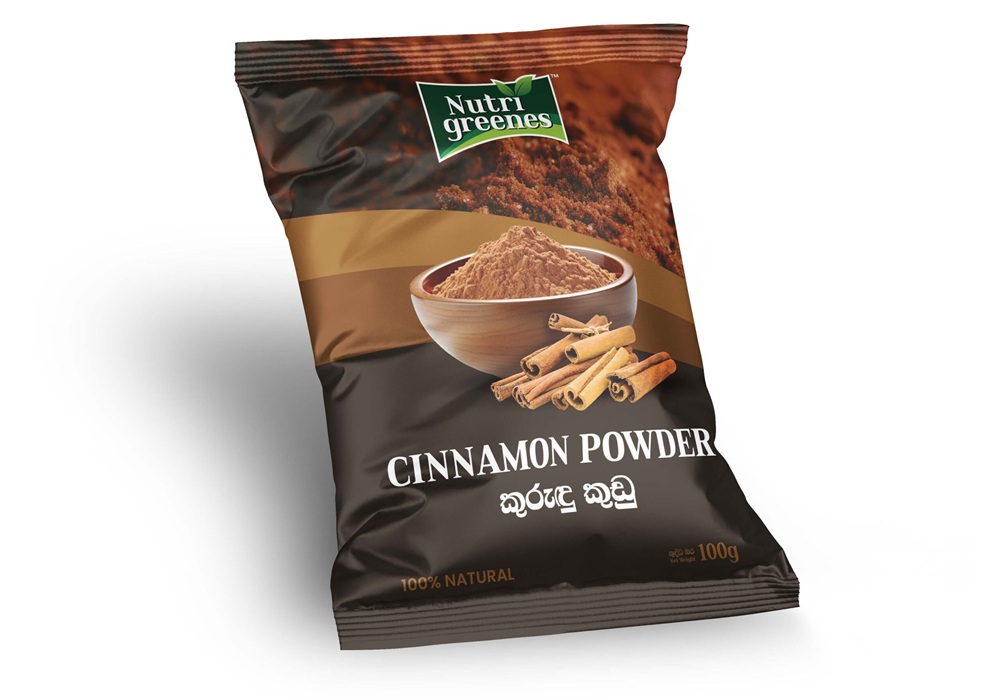
Ceylon cinnamon is the pride of Sri Lanka. It is often called “true cinnamon” because it is the original variety, unlike cassia which is harsher and more common in many markets.
Ceylon cinnamon sticks are thin, soft, and light brown. They break easily and have a sweet, mild taste. Cassia cinnamon, on the other hand, is dark, thick, and strong.
Why Ceylon cinnamon is special:
- Low in coumarin, making it safer for daily use
- Sweet and delicate flavor
- High essential oil content
- Preferred in health products
Common uses:
- Tea and herbal drinks
- Desserts like cakes and cookies
- Smoothies
- Traditional medicine
- Weight management drinks
Health benefits:
- Helps control blood sugar
- Supports digestion
- Boosts immunity
- Has anti-inflammatory properties
Black Pepper
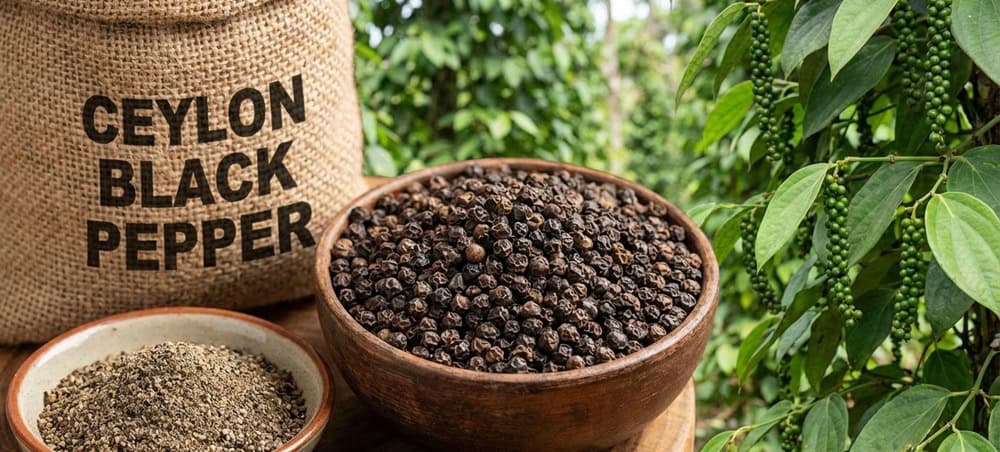
Black pepper is called the “King of Spices.” Sri Lankan black pepper is especially valued because it is bold, aromatic, and strong in flavor.
Sri Lankan pepper has a higher piperine content, which is the compound responsible for its heat and medicinal value.
Common uses:
- Cooking spice for curries and soups
- Seasoning for vegetables and meats
- Used in Ayurvedic remedies
- Boosting nutrient absorption
Health benefits:
- Improves digestion
- Helps relieve cold and cough
- Enhances metabolism
- Acts as an antioxidant
Cloves
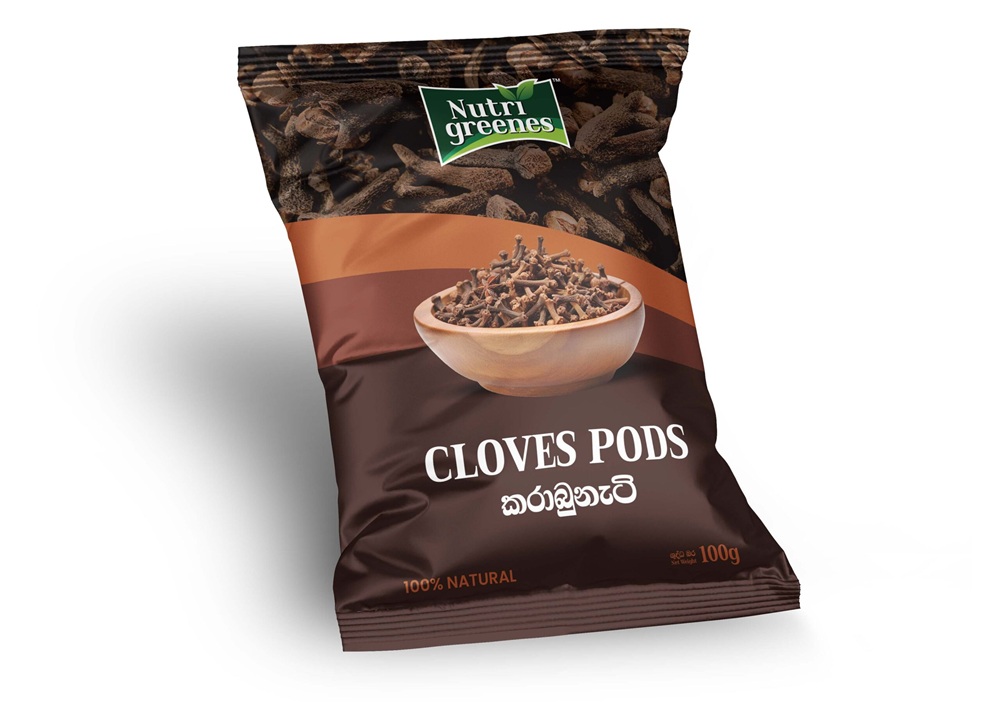
Cloves are dried flower buds that have a strong, warm, and slightly sweet flavor. Sri Lanka produces high-quality cloves that are rich in essential oils.
Common uses:
- Flavoring rice dishes and curries
- Baking
- Herbal teas
- Dental remedies
Health benefits:
- Relieves tooth pain
- Supports digestion
- Fights bacteria
- Reduces inflammation
Cardamom
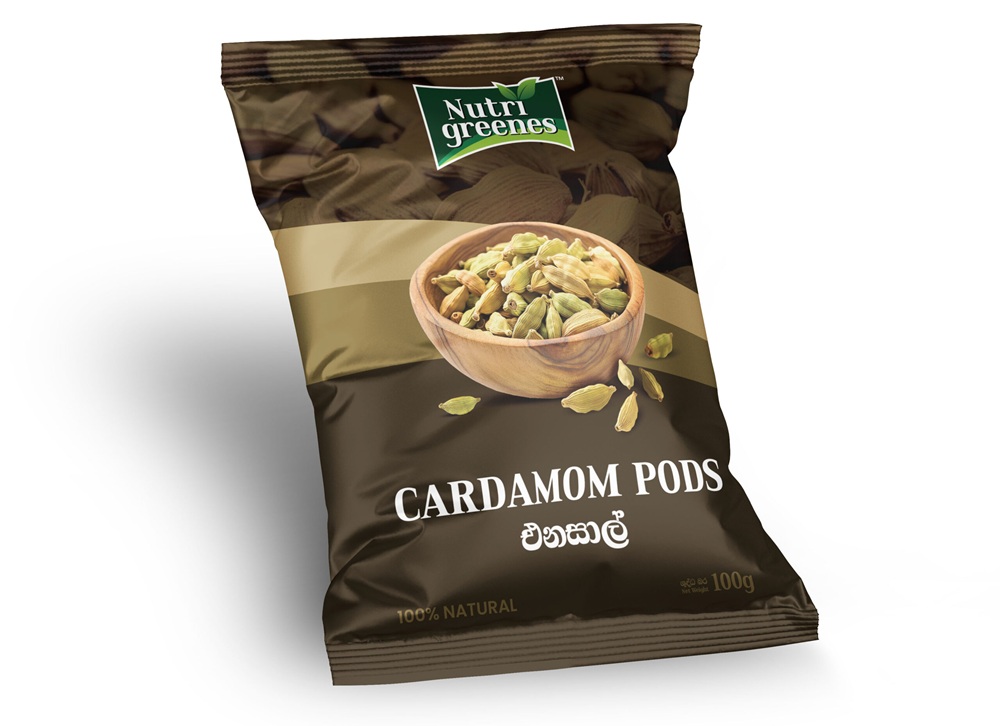
Cardamom is known as the “Queen of Spices.” Sri Lankan cardamom is aromatic and fresh, often grown in the hill country.
Common uses:
- Tea and coffee
- Desserts
- Rice dishes
- Ayurvedic medicine
Health benefits:
- Freshens breath
- Improves digestion
- Supports heart health
- Reduces bloating
Turmeric
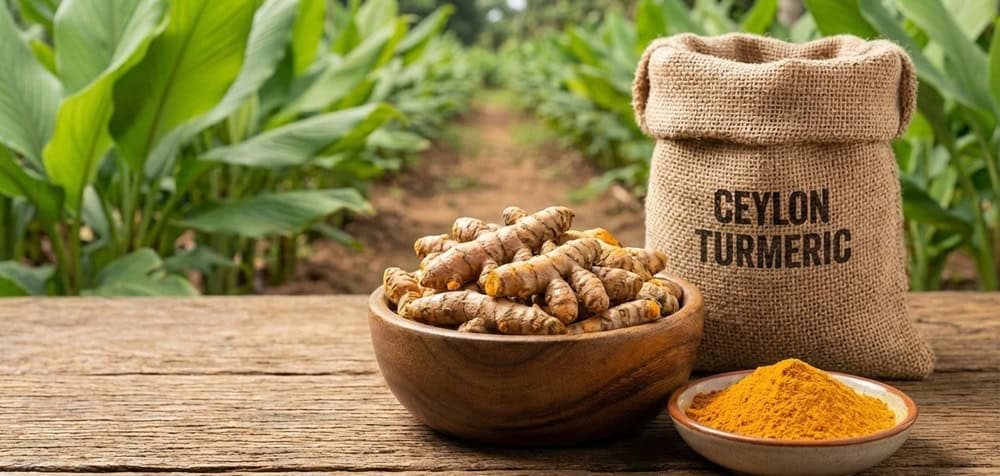
Turmeric is one of the most important spices in Sri Lanka, especially for health and traditional medicine. Sri Lankan turmeric has a deep golden color and high curcumin content.
Common uses:
- Cooking curries
- Golden milk
- Skin care
- Wound healing
Health benefits:
- Strong anti-inflammatory
- Boosts immunity
- Supports joint health
- Detoxifies the body
Ginger
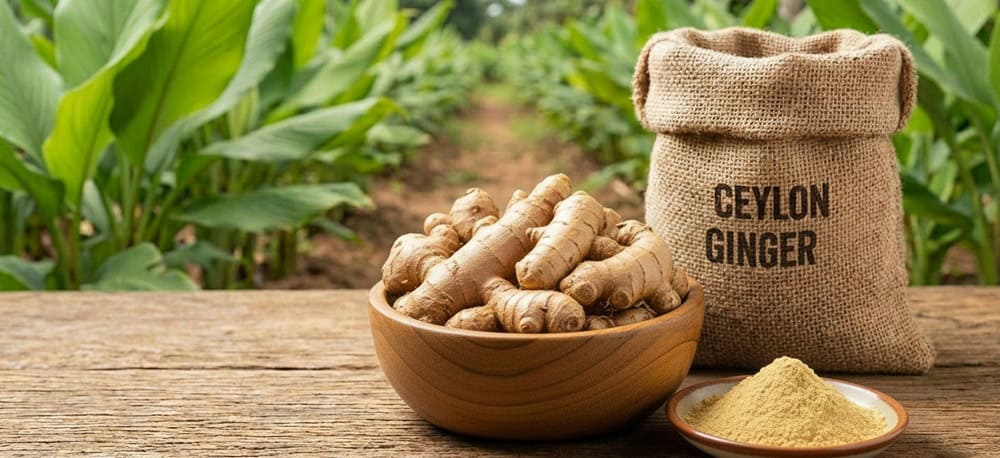
Ginger is both a spice and a medicine. Fresh and dried ginger are widely used in Sri Lanka.
Common uses:
- Tea
- Cooking
- Digestive remedies
- Cold relief
Health benefits:
- Improves digestion
- Reduces nausea
- Fights infections
- Boosts circulation
Curry Leaves
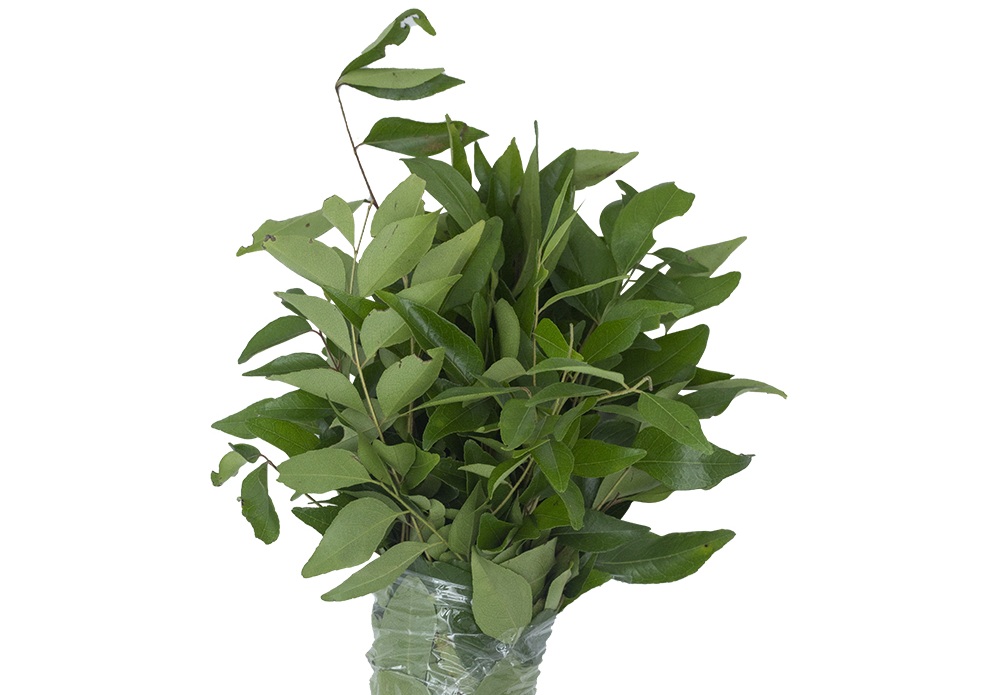
Curry leaves are essential in Sri Lankan cooking. They add a unique aroma and flavor that cannot be replaced.
Common uses:
- Tempering curries
- Herbal teas
- Hair care remedies
Health benefits:
- Supports digestion
- Strengthens hair
- Controls blood sugar
Mustard Seeds
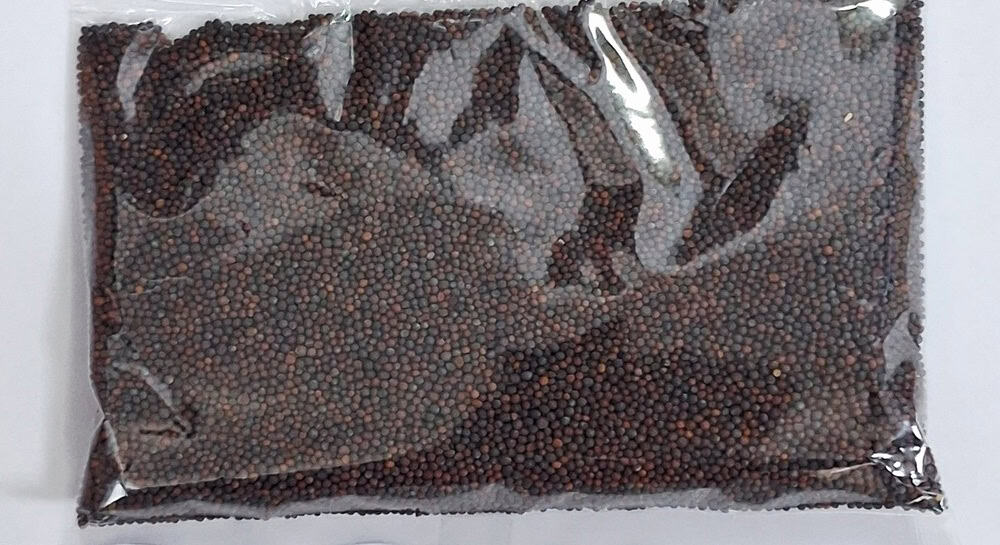
Mustard seeds are small but powerful in flavor.
Common uses:
- Tempering dishes
- Pickles
- Herbal oils
Health benefits:
- Boosts metabolism
- Improves digestion
- Supports joint health
Garlic
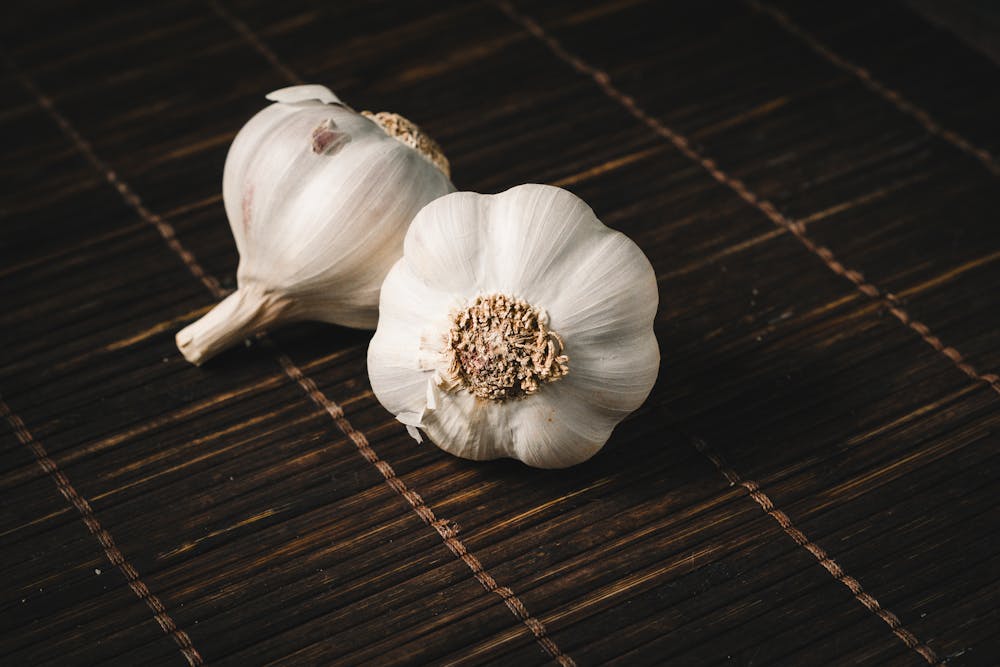
Garlic is used both as a spice and as a medicine.
Common uses:
- Cooking
- Herbal remedies
- Immune boosting
Health benefits:
- Strengthens immunity
- Supports heart health
- Fights infections
How Sri Lankan Spices Are Processed
One of the biggest reasons Sri Lankan spices are valued worldwide is the careful way they are processed. The focus is always on preserving natural flavor, aroma, and medicinal properties. Unlike mass-produced spices that are heavily machine-processed, Sri Lankan spices often go through a combination of traditional methods and modern quality control.
This balance helps maintain purity while meeting international standards. The process usually begins at small farms. Most spice crops in Sri Lanka are grown by local farmers who have been practicing this work for generations. They understand the soil, the climate, and the right time to harvest. This knowledge makes a huge difference in quality.
Harvesting
Each spice has a specific time for harvesting. Picking too early or too late can reduce its quality.
- Cinnamon is harvested by cutting young branches and carefully peeling the inner bark.
- Pepper is picked when the berries are nearly ripe and then dried.
- Cloves are harvested before the flower fully opens.
- Cardamom pods are collected when they are green and mature.
- Turmeric and ginger are dug out after the plant matures.
Harvesting is mostly done by hand to avoid damage to the spice.
Cleaning
After harvesting, spices are cleaned to remove dirt, leaves, stones, and other impurities. This step is very important because it ensures hygiene and safety.
Water is used carefully for cleaning roots like turmeric and ginger. Dry spices like pepper and cloves are cleaned using air separation and manual sorting.
Drying
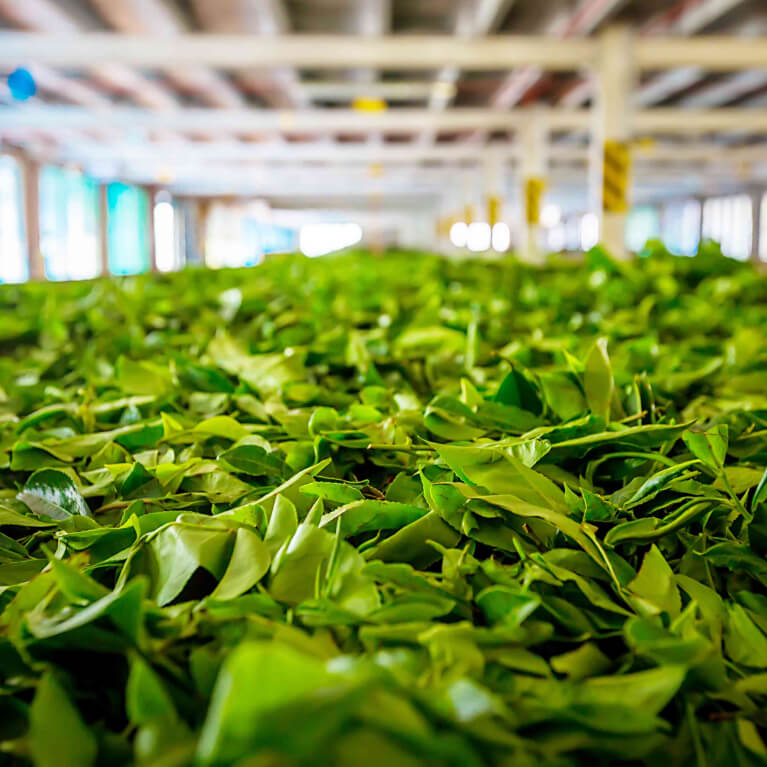
Drying is one of the most crucial steps. It reduces moisture and prevents spoilage.
In Sri Lanka, spices are often sun-dried. This natural method helps preserve flavor and essential oils.
- Cinnamon bark is dried in shade to prevent discoloration.
- Pepper is sun-dried until it becomes black and wrinkled.
- Cloves are dried until they turn dark brown.
- Turmeric and ginger are sliced and dried.
Proper drying can take several days, depending on weather conditions.
At Nutrigreenes, the traditional drying process is enhanced through the use of advanced heat pump dehydration technology.
A carefully controlled drying environment is maintained to preserve the natural color, aroma, essential oils, and nutritional value of spices. Unlike sun drying, which is dependent on weather conditions, 100% of the benefits of traditional drying are achieved through this method, with greater consistency, hygiene, and precision.
As a result, superior quality, extended shelf life, and export-grade standards are ensured, while the authentic character of the spices is fully retained.
Cutting and Grinding
Some spices are sold whole, while others are ground into powder.
Grinding is usually done at low temperatures to protect essential oils. Excessive heat can reduce aroma and medicinal value. High-quality suppliers take special care to grind spices slowly and gently.
Quality Checking
Quality control is a vital part of spice processing. Spices are checked for:
- Purity
- Moisture content
- Color
- Aroma
- Presence of foreign particles
Only the best batches are selected for packaging and export.
Packaging
Packaging plays an important role in keeping spices fresh for a longer time. Sri Lankan spices are often packed in airtight containers to protect them from:
- Moisture
- Light
- Air
- Contamination
This is where brands like Nutrigreenes play an important role. They ensure that spices are packed in a hygienic environment using food-grade materials.
Storage and Export
After packaging, spices are stored in cool, dry conditions. Proper storage prevents mold, insect infestation, and quality loss.
Sri Lanka is truly a treasure island when it comes to spices. Its rich soil, tropical climate, and centuries-old farming traditions make it one of the finest spice-producing countries in the world.
Sri Lankan Spices List: Famous Ceylon Spices & Uses, each famous Ceylon spice tells a story of purity and quality.
For modern consumers who care about health and authenticity, choosing genuine Ceylon spices is important. Trusted brands like Nutrigreenes help bridge the gap between Sri Lanka’s farms and global kitchens. By focusing on quality sourcing, hygienic processing, and secure packaging, Nutrigreenes ensures that customers get spices that are fresh, pure, and true to their origin.
Whether you are a home cook, a health-conscious buyer, a chef, or a business looking for premium spices, Sri Lankan spices offer what you need. Their aroma enhances food, their flavor enriches recipes, and their health benefits support overall well-being.
FAQ
What are the main spices grown in Sri Lanka?
Ceylon cinnamon, black pepper, cloves, cardamom, nutmeg, mace, turmeric, ginger, coriander seeds, cumin seeds, fennel seeds, vanilla, curry leaves, mustard seeds, citronella and garlic.
Why is Ceylon cinnamon better than cassia?
Ceylon cinnamon has a sweeter taste, lighter color, softer texture, and much lower coumarin content.
How many spices are grown in Sri Lanka?
Sri Lanka grows more than 30 different spices and herbs, & 10 to 12 major spices are widely cultivated and exported.
Is Sri Lanka the largest exporter of cinnamon?
Yes, Sri Lanka is the world’s largest exporter of true cinnamon, also known as Ceylon cinnamon.